
“Looking Ahead: 20 Years Together” – the Latvian Association of Social Workers Celebrates Its 20th Anniversary

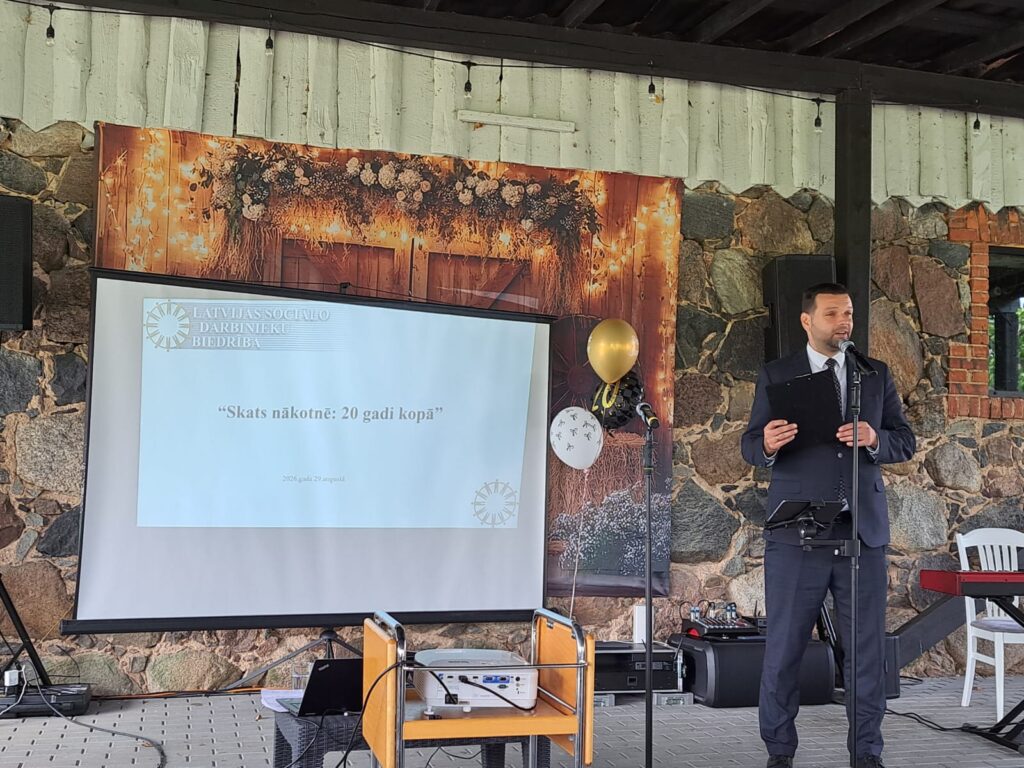
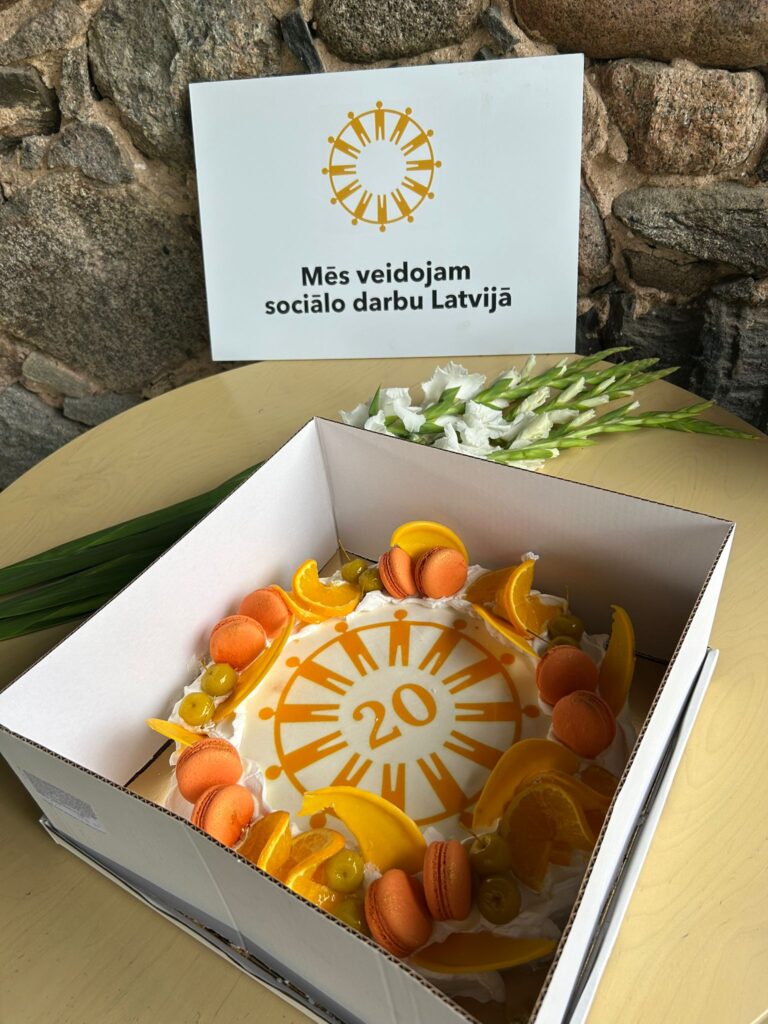
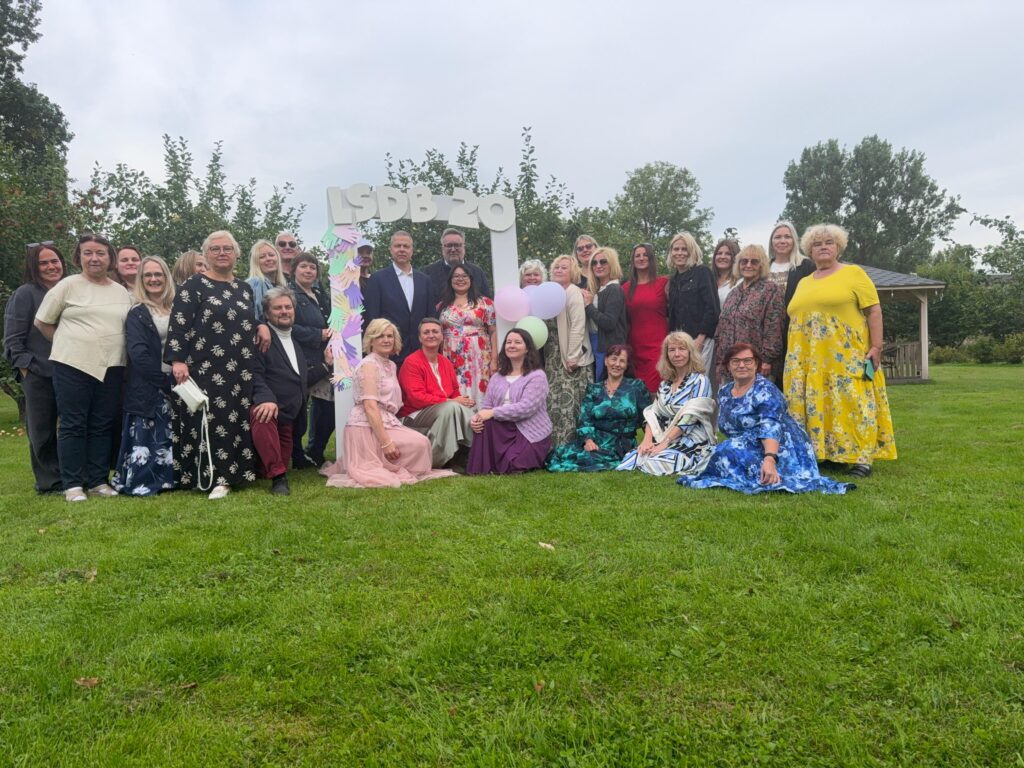
From 28 to 30 August 2026, the annual discussion camp of the Latvian Association of Social Workers (LSDB) took place at Skangaļi Manor. This year’s camp was particularly special, as on 29 August it included a formal event dedicated to the Association’s 20th anniversary. Both the camp and the anniversary celebration shared the common title “Looking Ahead: 20 Years Together.”
The origins of the Latvian Association of Social Workers date back to 2006, when social work practitioners and professionals, while discussing the development of the profession, its challenges and the need for a strong professional community, agreed to establish an organisation that would bring social workers together. On 25 August 2006, the Association of Social Workers was officially registered, and in 2020 it adopted its current name – the Latvian Association of Social Workers.
20 Years Together
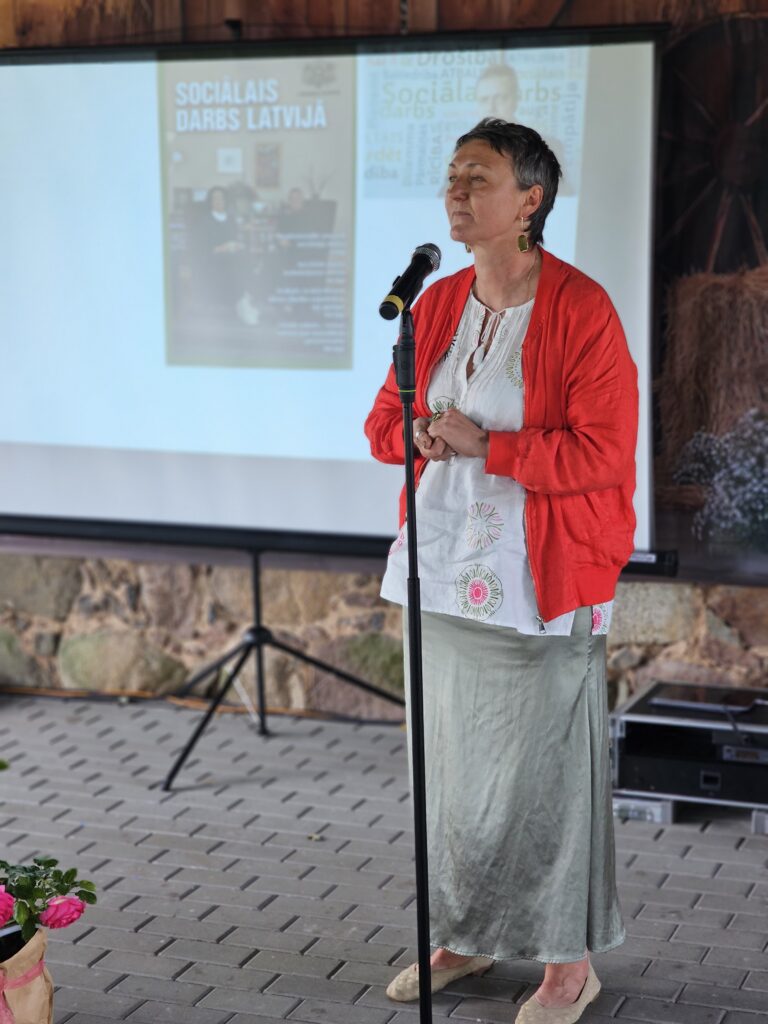
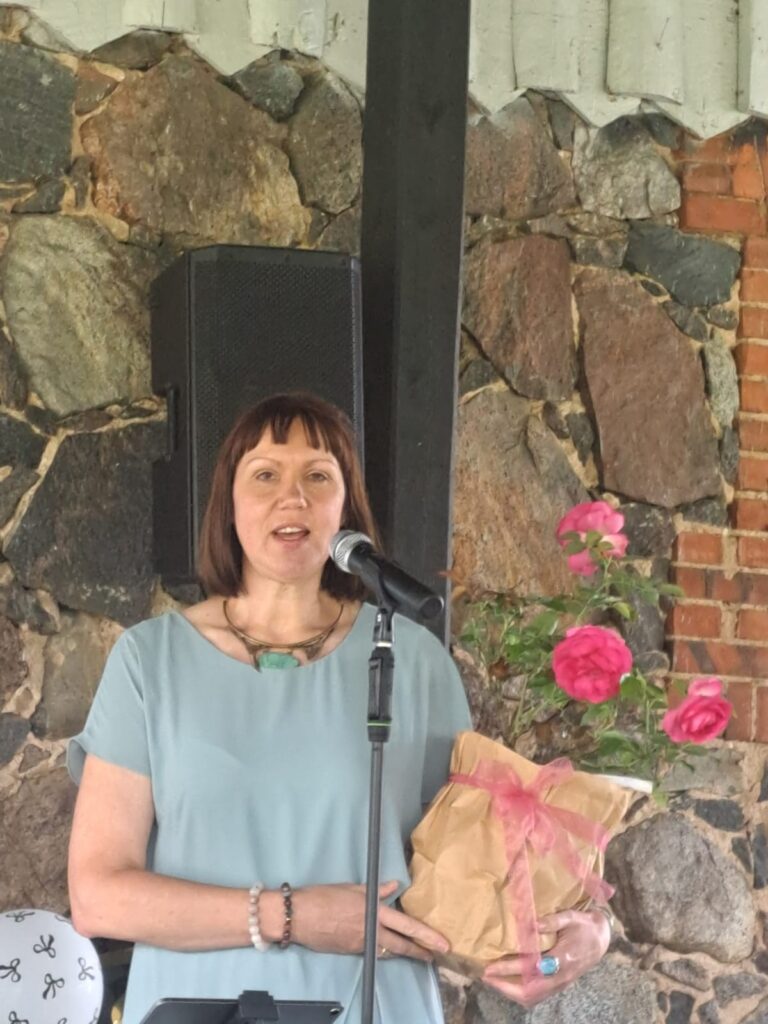
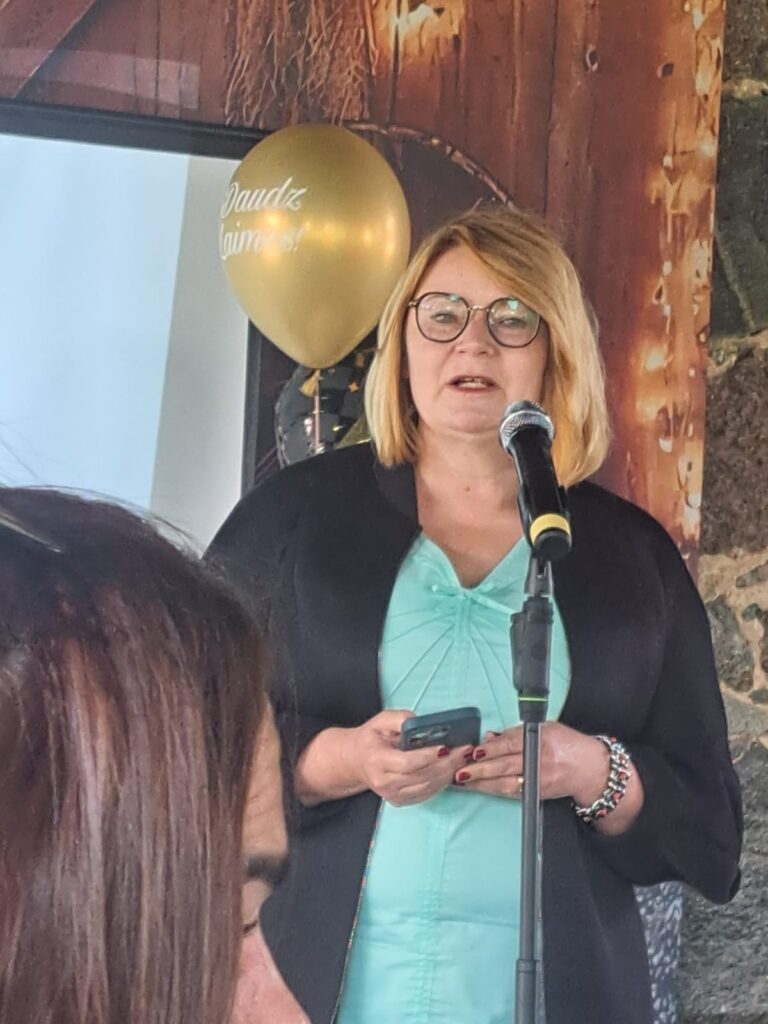
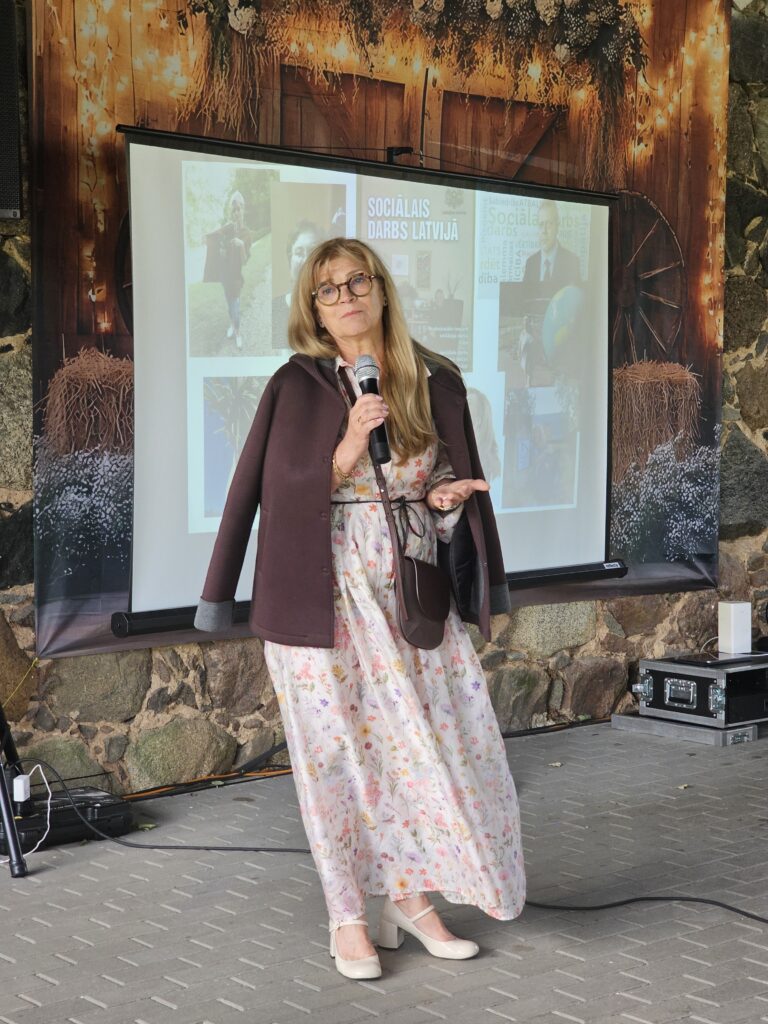
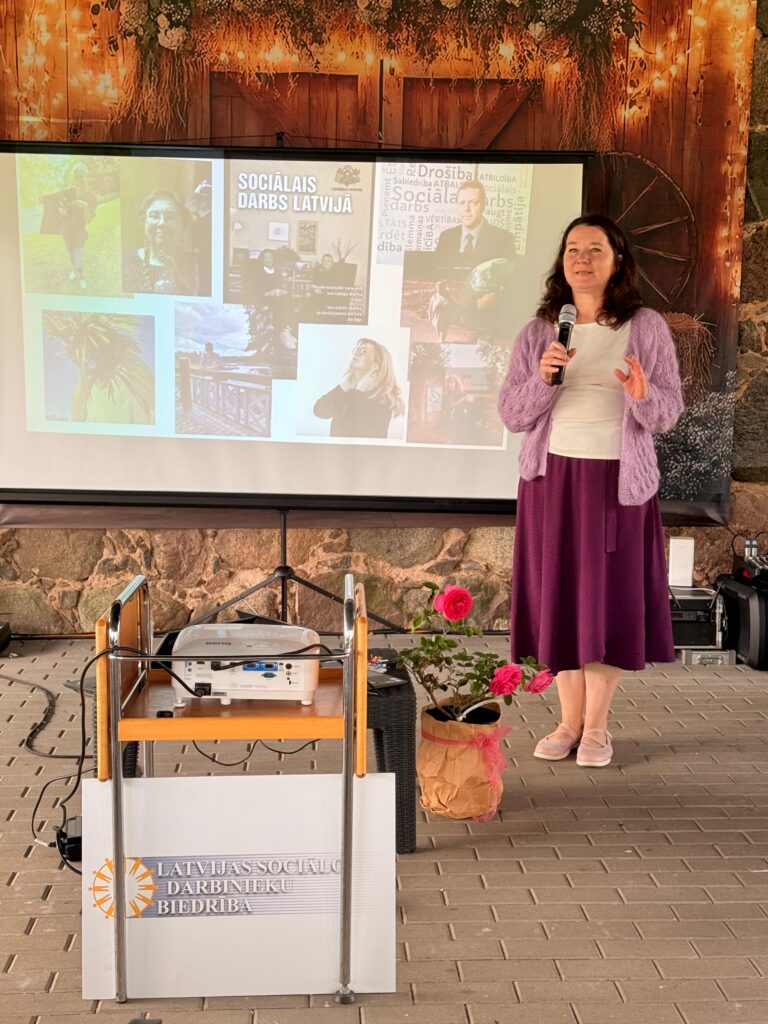
The anniversary event was hosted by Una Lapskalna-Alksne, Chair of the LSDB Board, and Mārtiņš Moors, Deputy Chair of the Board.
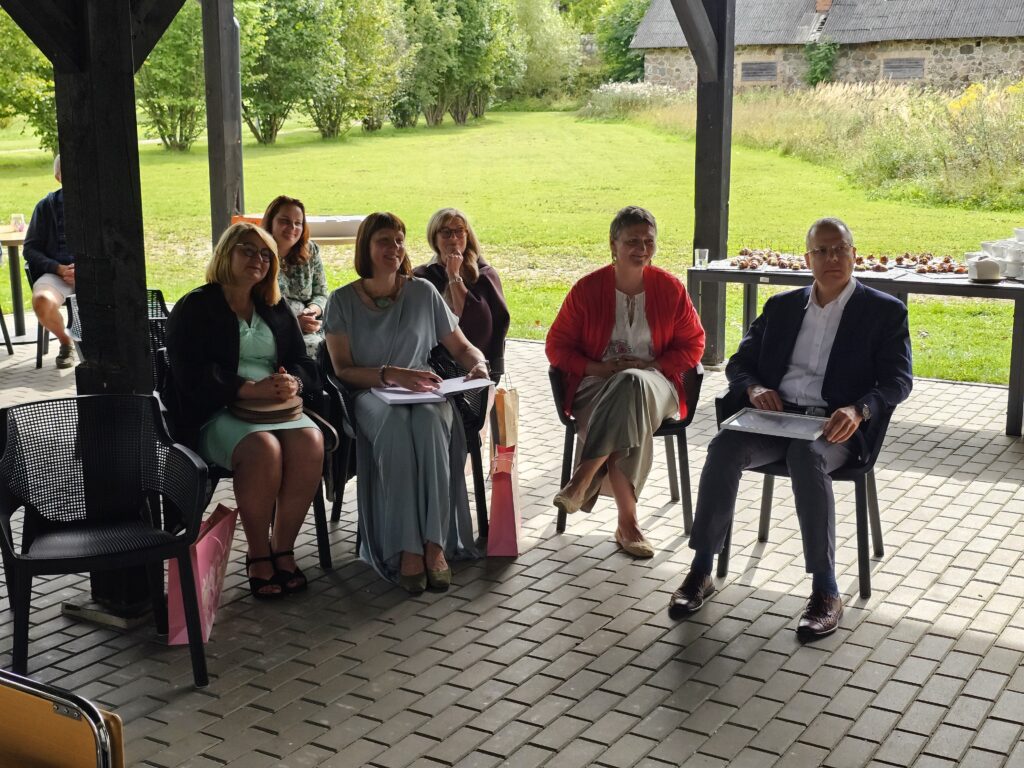
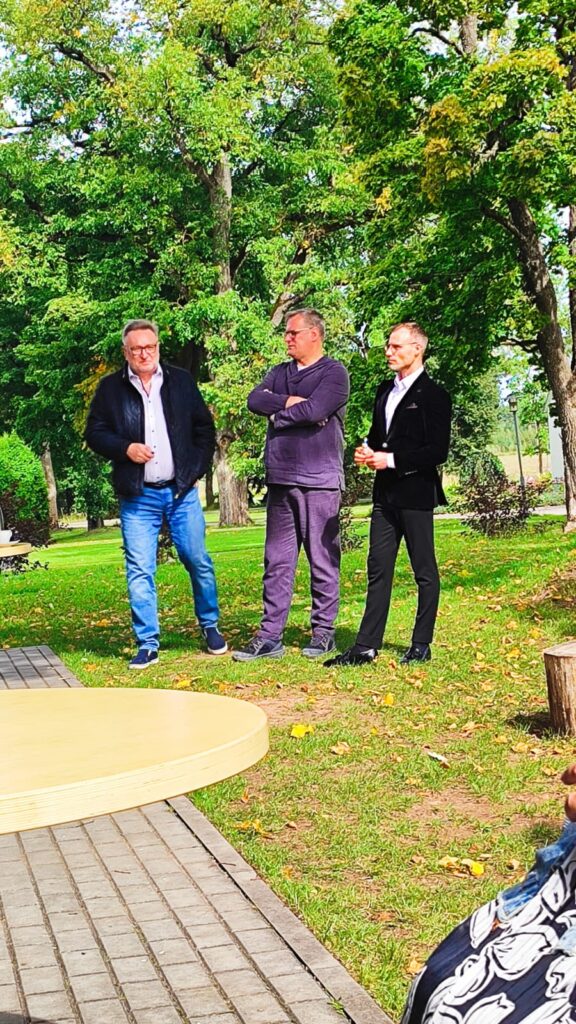
The formal event brought together Association members, cooperation partners, representatives of the professional social work community and invited guests, including Minister for Welfare Reinis Uzulnieks; Ilze Skrodele-Dubrovska, Director of the Department of Social Work and Social Assistance Policy at the Ministry of Welfare; Agnese Bīdermane, Head of the project “Development of Professional and Modern Social Work”; Ilze Rudzīte, Adviser on Social and Health Issues at the Latvian Association of Local and Regional Governments; Inga Kārkliņa, Board Member of the Latvian Association of Heads of Municipal Social Services and Head of the Cēsis Municipality Social Service; and Andris Bērziņš, Director of the Samaritan Association of Latvia.
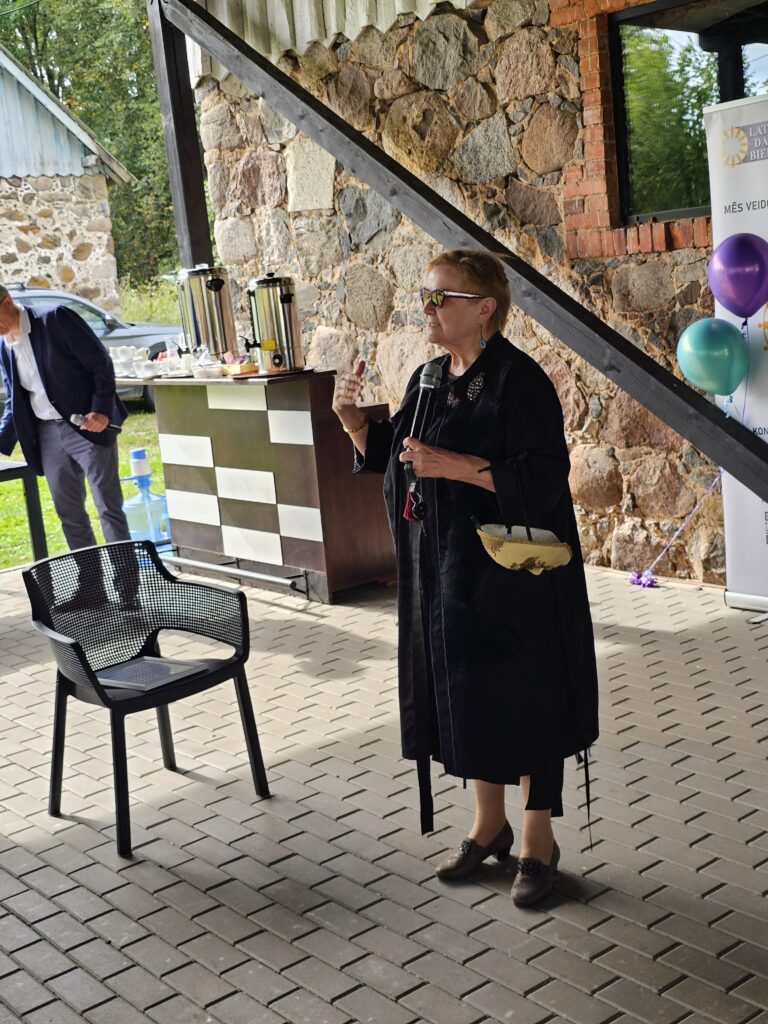
The event was also attended by LSDB member and Chair of Riga City Council Viesturs Kleinbergs, who addressed the Association on the occasion of its anniversary.
It was a particular pleasure to celebrate the anniversary together with people who were instrumental in establishing professional organisations for social workers in Latvia. Among the guests were Ieva Ozola (formerly Lāss) – the originator of the idea to establish LSDB, one of its founders and its first Chair of the Board – as well as Ārija Baltiņa, the long-standing Chair of the Board of Latvia’s first professional association for social work specialists, the Latvian Association of Professional Social and Care Workers.
During the anniversary event, we reflected on the achievements of the past twenty years and on the most significant milestones in the Association’s development. From an organisation established to unite social workers and foster professional discussion about the development of social work, LSDB has grown into a professional organisation that currently brings together 86 members. The Association is actively involved in social work policy and the development of the profession, participates in the Council for Cooperation of Social Work Specialists, assumes responsibility for the development of the Latvian Social Workers’ Code of Ethics, and contributes to the professional publication “Social Work in Latvia.”
Over the past twenty years, LSDB has also established a number of enduring traditions – general meetings of members, experience-exchange visits to different regions of Latvia, annual summer discussion camps and conferences. The Association not only promotes professional discussion, but also publicly advocates for issues of importance to the social work profession, develops international cooperation and is increasingly working towards representing Latvia’s professional social work community at the international level.
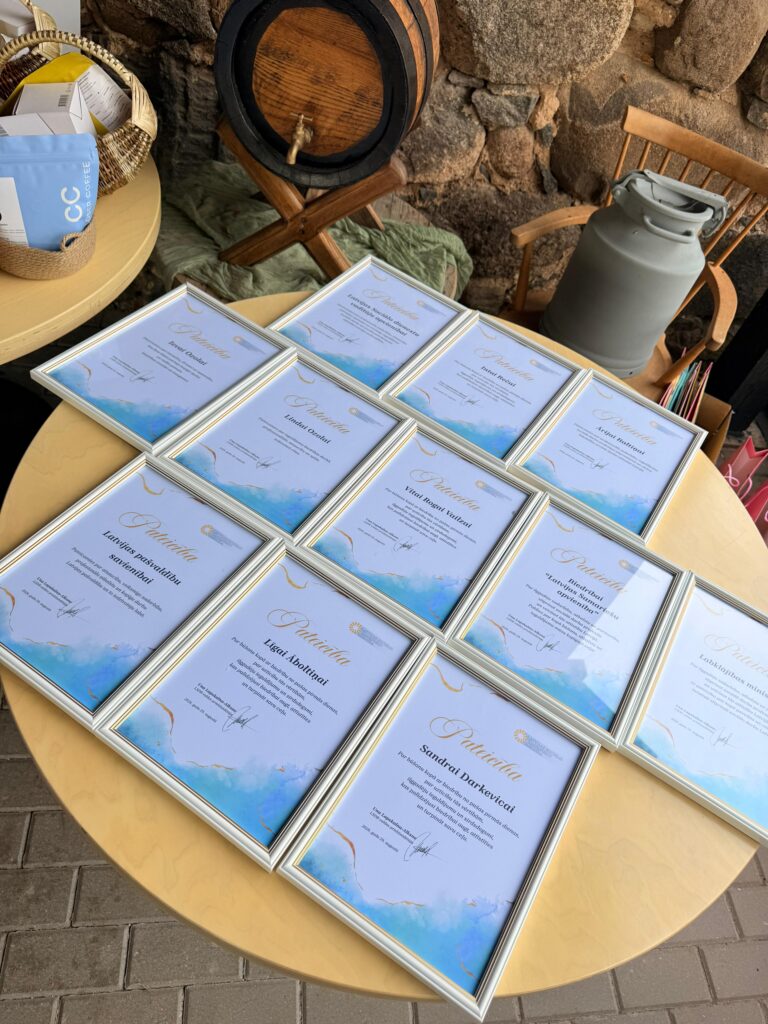
A particularly meaningful moment of the anniversary celebration was the recognition of ten LSDB members who have been part of the Association since its establishment. Twenty years in a professional organisation represents sustained involvement, ideas, discussions, joint work and a shared belief in the importance of the social work profession.
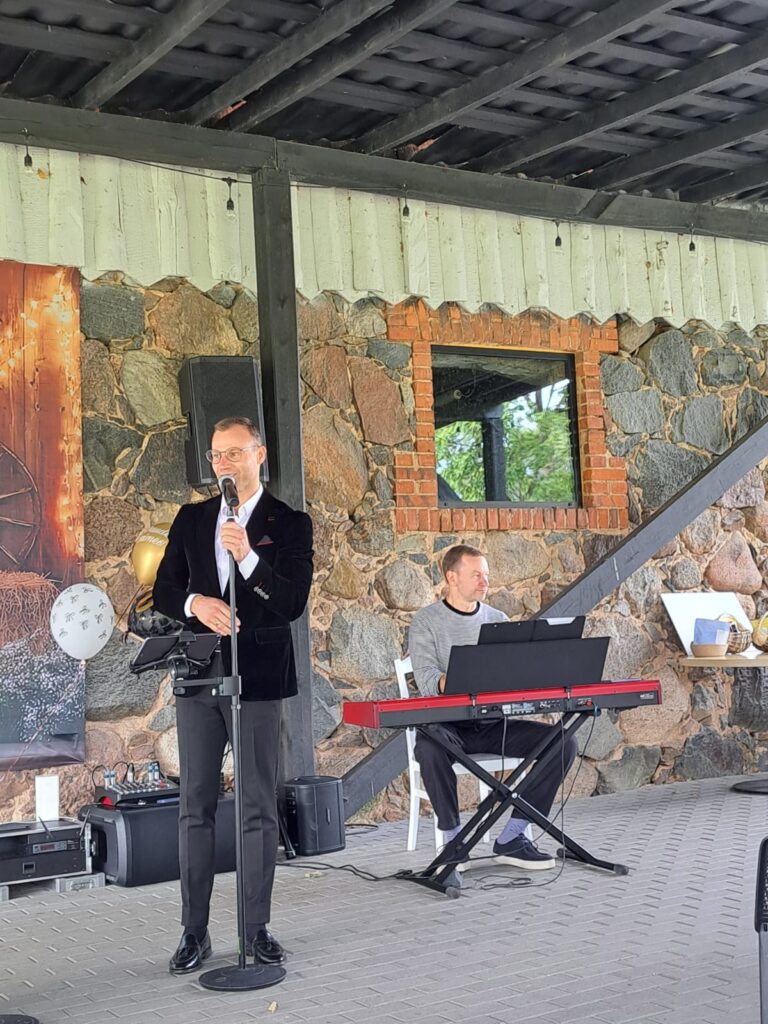
The formal part of the event concluded with a concert by Kaspars Markševics and pianist Māris Ozols, creating a warm and memorable atmosphere for the anniversary celebration.
Looking Ahead – the Next 20 Years
An important anniversary such as this is not only an opportunity to reflect on what has already been achieved. The words “Looking Ahead” in the title of the event also invite us to consider what we want the social work profession and its professional organisation to become over the next twenty years.
Following the formal celebration, LSDB members continued their work in a discussion entitled “The Next 20 Years. Where Should We Be Heading?”, jointly identifying issues and areas of development that will require particular attention in the years ahead.
One of the key issues is the recognition and status of the social work profession and the entry of new professionals into social work. It is important not only to encourage young people to choose social work as a field of study, but also to explore opportunities for professionals from other sectors to retrain and enter the social work profession. The discussion highlighted the potential to develop Master’s-level social work programmes for people who already hold a higher education qualification in another field. At the same time, it is essential to involve young social workers and students much more actively in the work of the Association – to listen to their needs, create opportunities for participation and make use of their potential as ambassadors for the social work profession. This also means gaining a better understanding of what the younger generation expects from the profession and from the workplace, and what is needed to make social work a profession that young people want to enter and remain in.
Another important issue for the future is the professional and legal status of social workers, irrespective of their specific field of practice or the legal status of the organisation in which they work. The discussion highlighted the need to continue a professional dialogue on the professionalisation of social work, including the professional mandate, legitimisation, certification, the status of social workers and possible legal regulation. Before specific solutions are chosen, the professional community needs to reach a common understanding of their purpose, content and significance for the development of the profession.
In order to decide where social work should be heading, we first need a much clearer understanding of where we are today. One of the key tasks is therefore the systematic collection of data and evidence about the social work profession in Latvia – how many social workers are employed, where they practise, the characteristics of the workforce, staff turnover and the duration of vacancies. The discussion also emphasised the importance of macro-level social work research and the need for closer cooperation between policy-makers, universities and social work practitioners.
Artificial intelligence is becoming an increasingly important part of the professional agenda. AI is already being used by both social work professionals and clients, and the profession therefore needs an active discussion on the ethics of AI use, professional tools, risks and opportunities. Social work should not wait for technological development to determine the conditions of practice on its own – the professional community must be able to critically assess these developments and participate in shaping how they are used.
Another important direction that emerged from the discussion was the need to identify, at an early stage, new or still insufficiently understood developments entering social work practice. Society is changing, as are language, identities, knowledge about people’s needs and our understanding of diversity. Issues such as working with non-binary people, expanding knowledge about autism and neurodiversity, and other emerging social and professional topics require social workers to be able to learn, engage in discussion and reconsider established assumptions.
One of LSDB’s future tasks is therefore to be a place where professionals are able to “see the whole field” – to recognise emerging developments, raise difficult questions, initiate discussions and jointly seek professionally and ethically sound answers.
Continuing to Shape Social Work in Latvia
Twenty years have demonstrated that a professional organisation is shaped by many factors, not only by its name, Board or formal structure. Above all, it is shaped by people – members who participate, discuss, share experience, disagree, seek solutions, generate new ideas and are willing to take responsibility for the development of their profession.
The anniversary event “Looking Ahead: 20 Years Together” was both an expression of gratitude for what has been achieved and a reminder that the future of the social work profession does not develop on its own. We shape it ourselves – through our professional practice, knowledge, participation, courage to raise complex issues and ability to work together.
Thank you to everyone who has been part of the Latvian Association of Social Workers over these twenty years – our founders, members, Board members, cooperation partners, colleagues and friends!
We are shaping social work in Latvia!



Comments are currently closed.